
When a Wellness Reset Means Starting With Alcohol Detox
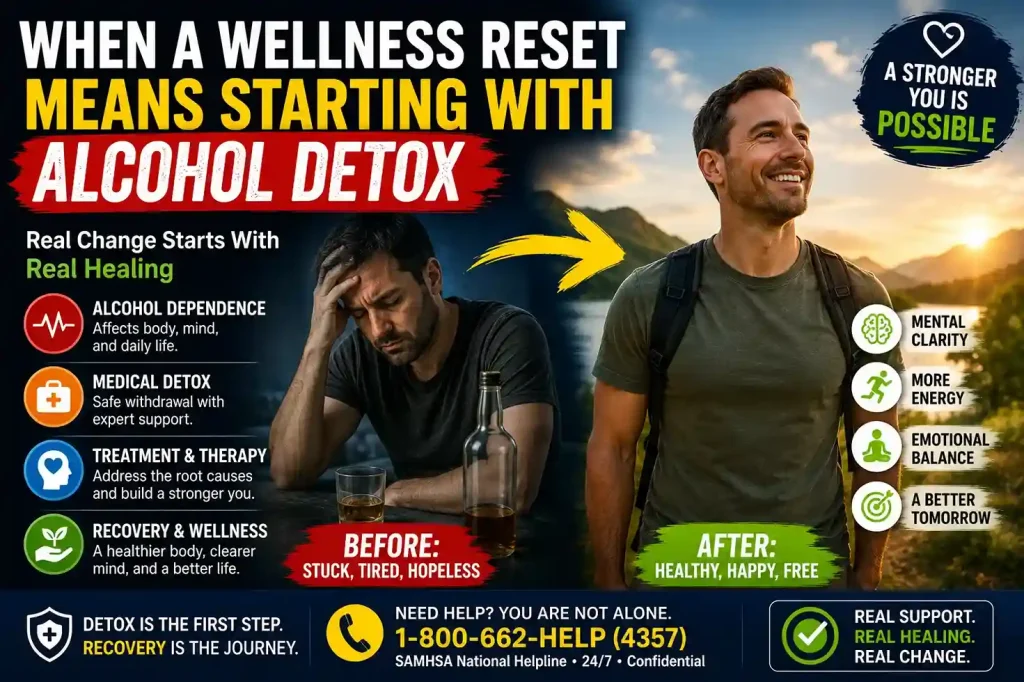
There’s a particular kind of wellness travel that’s been having a moment. People book retreats in Costa Rica or Sedona, pack up their journals and yoga mats, and hope a week somewhere green and quiet will fix what’s been off for a while. And sometimes it does. But sometimes the thing that’s actually off has a name, and no amount of breathwork or guided meditation will touch it.
For a lot of people, that honest answer is alcohol. Not always in the dramatic, rock-bottom way movies show it. More often it’s the quiet creep: two drinks became four, the wine-with-dinner habit became the wine-before-dinner habit, and mornings started feeling worse than they should. If a real lifestyle reset is on the table, alcohol has to be part of the conversation. For some people, that reset may even include learning what to expect during alcohol detox before making any bigger lifestyle changes.
What Alcohol Actually Does to a Body That Depends on It
The body adapts to regular drinking. The brain quietly turns down its own calming chemicals because alcohol is doing that work for it, and it turns up the excitatory ones to balance things out. So when alcohol disappears, the brain is suddenly running hot with nothing dialing it back. That’s withdrawal.
Symptoms usually start six to twelve hours after the last drink. Mild stuff first: shaky hands, sweating, anxiety, a stomach that won’t settle, sleep that won’t come. Heart rate climbs. Blood pressure climbs. For some people it stops there, ugly but manageable.
For others it doesn’t. Around 24 to 48 hours in, things can escalate. Seizures. Hallucinations, sometimes auditory, sometimes visual, sometimes both. And then there’s delirium tremens, often shortened to DT, which is the one nobody should take lightly. DT brings severe confusion, a racing heart, and dangerously high blood pressure. Even with treatment, it’s considered a medical emergency. Without care, the risk climbs sharply.
The point is that alcohol withdrawal isn’t like quitting coffee. It’s not a willpower problem at that stage. It’s a physiological event.
Why Medical Supervision Isn’t Overkill
A lot of people assume detox is something you tough out on the couch. White-knuckle it, drink water, and suffer through. And for the lucky ones with mild dependence, that might actually be fine. The trouble is, you don’t really know which category you fall into until you’re already in it.
Medical supervision matters because the same symptoms can go from uncomfortable to dangerous in hours. Trained staff can monitor vital signs, catch warning patterns early, and step in before something tips. Benzodiazepines are the standard medication for managing withdrawal, given on a tapering schedule, and they work because they hit the same brain receptors alcohol was hitting. The taper helps reduce the physiological shock of sudden withdrawal.
There’s also dehydration, electrolyte imbalance, and nutrient deficiency to consider. Thiamine deficiency in particular is common in long-term drinkers and can cause permanent neurological damage if it’s not addressed. None of that is something a person can really manage on their own at home with Gatorade and good intentions.
Also: medical detox doesn’t have to look like a hospital. A lot of programs are residential and calm, more like a clinic than an ICU. The supervision is what makes it safe. The setting can still feel human.
What Structured Programs Add Beyond Just Getting Through It
Detox is the front door, not the whole house. Acute withdrawal symptoms often stabilize within several days to a week, but a person can walk straight back into the same triggers, same routines, same friends, and same Friday-night habits. Detox without ongoing support often leads people back into the same patterns that brought them there.
Structured programs treat detox as the start of treatment, not the totality of it. That usually means:
- Medical assessment of co-occurring issues like depression, anxiety, or trauma history
- Connection to ongoing therapy, whether that’s CBT, group work, or something else
- A discharge plan that includes outpatient support, sober living if needed, and family involvement
- Nutritional support, because alcohol disrupts gut health and the body needs help recalibrating
That last one matters more than people realize. Emerging research suggests nutrition can support recovery outcomes, and what someone eats in those first weeks shapes how the body rebuilds what alcohol disrupted.
How This Fits Into the “Reset” People Are Actually Looking For
Back to the wellness travel thing for a second. The reason a yoga retreat won’t fix problem drinking is the same reason a juice cleanse won’t fix it. The body has formed a real dependence, and dependencies don’t dissolve in scenic surroundings. They get walked through with support.
But once detox is behind someone, the things people look for in wellness travel start working again. Sleep returns. Mornings feel different. The mental clarity alcohol quietly stole starts showing up again, sometimes within weeks. Movement feels like movement, not punishment. Food tastes like food. The lifestyle reset becomes possible because the body finally has a chance to actually reset.
It’s not a glamorous starting line. Most people don’t post about it. But it’s the real one, for anyone whose wellness goals have been quietly running into the same wall for a while.
A Few Honest Notes Before Anyone Acts on This
If you or someone close to you is thinking about stopping drinking, please don’t try to figure out the severity by Googling. Talk to a doctor, or call the Substance Abuse and Mental Health Services Administration (SAMHSA) National Helpline at 1-800-662-HELP. Free, confidential, available around the clock. They’ll help figure out what level of care actually fits.
For more on how alcohol use disorder shows up and progresses, the National Institute on Alcohol Abuse and Alcoholism keeps accessible resources written for non-clinicians. The Mayo Clinic also has a clear, regularly updated overview of symptoms and treatment options.
A wellness reset can absolutely be a turning point. It just has to start in the right place.