
Choosing a Reliable Home Improvement Builder for Your Project
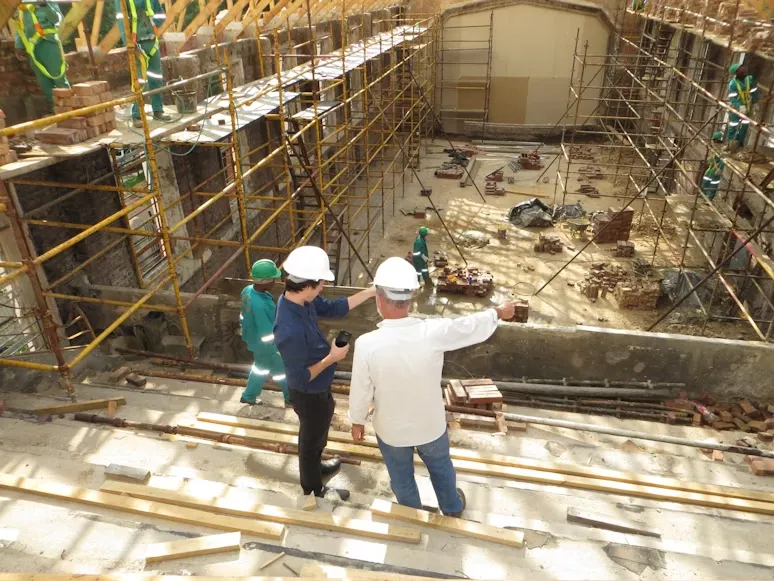
One of the most crucial choices any homeowner will make is selecting a trustworthy builder.
Do it correctly and your project will flow. Do it incorrectly and you can be out of money, stuck with partially built walls, and stuck in a litigation that lasts months.
Here’s the reality:
In 2024 alone, over 22,500 complaints were recorded about home maintenance and improvements in England. Not to mention, according to research from the Federation of Master Builders, rogue builders cost £14.3 billion in losses to homeowners over a five-year period.
That’s not a small problem.
The good news? If you know what to look for — and where to look — you can completely find a builder you can trust with your home.
Here’s What You’ll Find:
- Why Choosing the Right Builder Matters
- Where to Find a Reliable Home Improvement Builder
- Red Flags Every Homeowner Should Know
- How to Properly Vet a Builder
- Questions to Ask Before Signing Anything
Why Choosing the Right Builder Matters
Home renovations can be pricey. For many people they are the largest purchase they will make outside of their home itself.
Nearly seven million homeowners across the UK are looking to renovate their property by 2027. Spending an average of £14,000 per renovation project. And with 94% of homeowners doing up their house now employing a professional, the need for qualified builders has soared.
Because there’s demand. Demand creates opportunity. Opportunity for great builders and opportunity for unreliable ones.
Fly by night contractors love a booming industry. They throw out suspiciously low bids, strong-arm you into paying large sums of cash up front, and vanish with your money before the job is complete. Knowing the extent of the problem is the first step in preventing it from happening to you.
Where to Find a Reliable Home Improvement Builder
This is where most homeowners go wrong.
Too often people depend on a brochure in their door or a casual referral without researching anything else. There is a smarter way to do it.
When embarking on any home improvement project, one of the safest places to start is by searching for local builders near me on a trusted website. Tradespeople listed have already been reviewed, rated, and vetted — rather than picking someone at random.
The next step is to get at least three quotes. Not two. Three.
Why three? Well firstly, it paints an accurate picture of fair market pricing for the project. Secondly, it weeds out any builders quoting extremely low. (Always a red flag, never a bargain.)
Pro tip: Insist on meeting each builder that quotes for the job at the property. If they are quoting for work without visiting first, don’t bother with them.
Shopping around for multiple quotes takes time in the beginning. However, it can save thousands of pounds and months of headaches down the road.
Red Flags Every Homeowner Should Know
There are warning signs that should stop any homeowner in their tracks.
Walk away from builders who:
- Ask for large upfront cash payments before starting any work
- Refuse to provide a detailed, itemised written quote
- Cannot supply references or examples of previous projects
- Are not registered with a recognised trade body
- Apply pressure to make a fast decision
- Cannot show proof of public liability insurance
Either one of these things alone is cause for concern. Multiple items from this list? Do not give them the work. Period.
Here’s the thing…
In England and Wales there are no compulsory licences for general builders. Anyone can describe themselves as a builder and begin trading tomorrow. This is precisely why it’s so important to carry out due diligence before agreeing to work with anyone.
How to Properly Vet a Home Improvement Builder
Vetting a builder doesn’t need to be complicated. Follow these steps every time.
Look for trade body membership first. Membership of recognised bodies such as the Federation of Master Builders or the National Federation of Builders means they are required to stick to a code of conduct and have access to dispute resolution if things go wrong.
Ask for references and call them. A good builder will be more than willing to give at least two references from recent clients. Inquire about timekeeping, craftsmanship, communication skills, and whether the final cost matched the original quote.
Check insurance. Public liability insurance is a MUST. Request to see a copy of the certificate prior to work commencing. If a builder can’t or won’t provide this, don’t even consider using them.
Get it in writing. A written contract should spell out the entire scope of works, agreed upon start and finish dates, payment schedule and a procedure for dealing with unforeseen expenses. Never depend on a verbal agreement.
Read online reviews on multiple sites. Consistently negative reviews — especially those mentioning incomplete work, communication issues, or wildly high final charges — are serious red flags. One negative review could be an anomaly. Five comes across as a trend.
It takes an hour or two. Minutes compared to what it can prevent if it finds an issue before starting work.
Questions to Ask Before Signing Anything
Most people don’t ask enough questions before hiring. Here are the questions to get answered before committing to anyone:
- How long have you been trading under this business name?
- Are you VAT registered?
- Who will actually be carrying out the work — directly or through subcontractors?
- What is the payment schedule, and what triggers each stage payment?
- How do you handle unexpected problems or additional costs mid-project?
- Can you provide a written contract before any work starts?
Pay close attention to how a builder responds.
Ask builders these questions. Evasive answers, annoyance, or fuzzy responses that don’t sit right are warning signs. Confident builders who are experienced and honest about their work won’t mind these questions. Hire someone you can trust.
Before You Sign Anything — Final Thoughts
Selection of a builder starts with one important word — PREPARATION.
Do the homework. Shop around. Verify references. Ask questions. And never let a low-ball offer or high-pressure sales tactic hurry a decision that deserves careful thought.
To quickly recap:
- Use a trusted platform to search for rated, reviewed local builders
- Get at least three quotes from builders who visit in person
- Check trade body membership and verify public liability insurance
- Ask for references and follow up on every single one
- Get a detailed written contract before any work starts
- Never pay large sums upfront in cash
DIY and home improvement is big business in the UK. The right builder can truly change a home for the better. The wrong builder can create a costly disaster.
Seek out a builder worth trusting. The results will speak for themselves.


