
2026 The Ultimate Guide to Cat Dental Cleaning
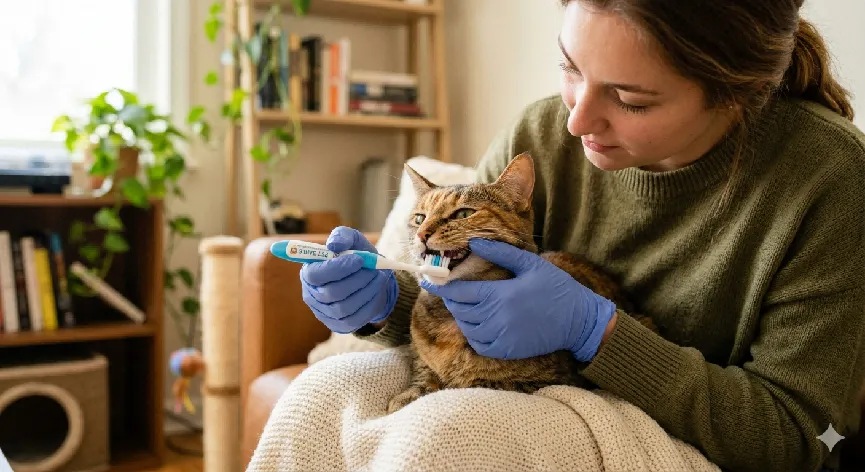
Intimate interaction with their feline companions is a daily routine for every cat owner. Occasionally, however, you may notice a “fishy odor” coming from your cat’s mouth; this may be more than just the lingering scent of food—it is very likely an indication of an underlying oral health issue. Statistics show that over 70% of cats develop some form of oral disease by the age of two; consequently, knowing how to select the best plaque-removal products for cats has become an essential skill for every cat owner in 2026. Drawing upon both veterinary advice and user reviews, this article will delve into effective strategies for removing dental plaque and tartar, thereby safeguarding your cat’s gum health.
Understanding Dental Plaque and Tartar
Dental Plaque: Dental plaque consists of saliva, food debris, and bacteria present in a cat’s mouth; it is the root cause of all oral inflammatory conditions. Typically, it can be removed through brushing or other effective methods involving physical friction.
Tartar: If dental plaque is not promptly removed within 48 hours, it absorbs minerals from the saliva and gradually calcifies into hard, yellowish-brown tartar. Once this occurs, it cannot be removed through ordinary means such as brushing; professional assistance from a veterinary clinic is required.
What is the best plaque remover for cats?
Dental plaque consists of a sticky film composed of bacteria; if not promptly removed within 48 hours, it will gradually calcify into dental tartar—a substance that cannot be eliminated through routine daily care alone. Ensuring your cat’s oral health requires selecting the optimal strategy for plaque removal; presented below are the best solutions recommended by leading veterinary dental specialists and seasoned cat owners.
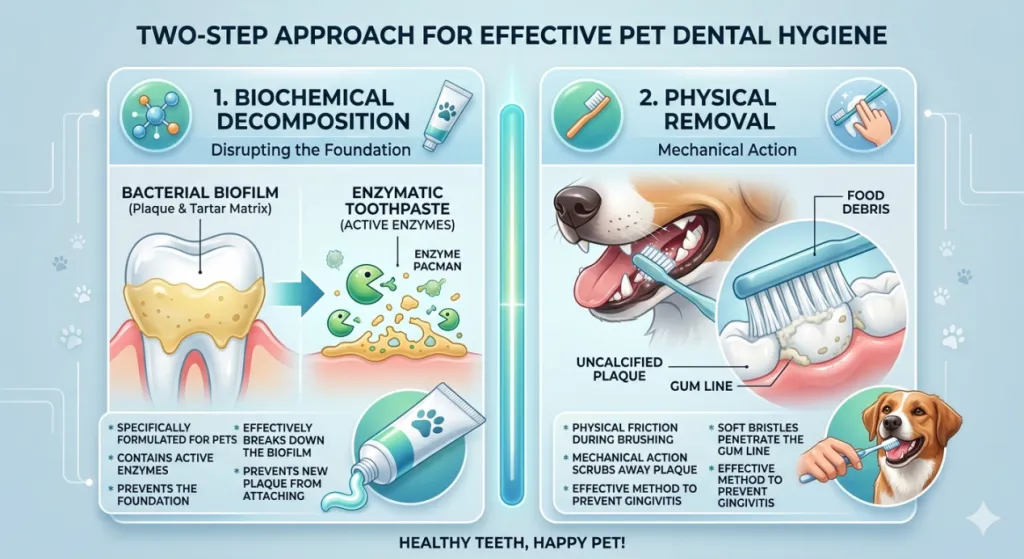
Toothbrushes and Enzymatic Toothpaste
Biochemical Breakdown: The use of toothpaste specifically designed for pets—which contains active enzymes—is typically effective in breaking down bacterial biofilms and preventing plaque from adhering to the teeth.
Physical Removal: During brushing, the physical friction generated not only effectively removes uncalcified plaque, but the soft bristles also reach deep beneath the gumline—making this an effective method for preventing gingivitis.
Dental Treats
Many cats strongly resist having their teeth brushed; consequently, popular dental treats have emerged as a mainstay of feline oral care—a category that is highly acclaimed on Reddit.
Dual-Action Care: Dental treats not only clean teeth through physical abrasion during chewing, but high-quality varieties also contain chemical anti-plaque agents capable of effectively breaking down dental plaque.
VOHC Seal: When making a purchase, look for the VOHC (Veterinary Oral Health Council) seal on cat dental treats; this signifies that the product has undergone clinical validation by the Council.
Specialized Care
Once you notice that your beloved pet’s oral health is sending out warning signals, general care regimens may no longer be sufficiently effective. At this stage, you need to precisely select dental treats recommended by a veterinarian, tailored specifically to your pet’s particular symptoms.
Comparison Chart: Bad Breath vs. Gingivitis
symptom | Recommended Search Keywords | Key Ingredients | effect | Expert Recommendations |
Bad breath | The Best Dental Treats for Eliminating Cat Bad Breath | Chlorophyll, Natural Mint, Parsley, Zinc. | Removes odors caused by sulfides while effectively inhibiting bacterial metabolism. | If the breath carries an ammonia-like or sweet, fishy odor, be alert for underlying internal medical conditions. |
Red, swollen, and inflamed gums | The Best Dental Treats for Cats to Treat Gingivitis | Lysozyme, Lactoferrin. | Remove and inhibit bacterial growth through appropriate physical friction and enzymatic agents. | Treating inflamed and swollen gums is the key to preventing gum recession. |
However, some situations extend beyond the scope of what can be resolved through home care. If your cat exhibits any of the following symptoms, please be sure to seek assistance at a professional veterinary clinic:
Loss of Appetite: They show little interest in eating—even their favorite foods.
Drooling: There is a noticeable increase in oral secretions.
Abnormal Eating Behavior: They shake their head while eating or chew using only one side of their mouth.
Gum Recession: Their teeth appear noticeably loose.
FAQ:
What annoys cats the most?
Cats find it extremely annoying to have their lips forcibly lifted, their gums touched, or foreign objects inserted into their mouths. This is precisely why many pet owners turn to resources like Reddit—specifically threads on the “best dental treats for cats”—to seek “stress-free” solutions that allow their feline companions to clean their teeth simply by chewing.
What can dissolve hardened dental tartar?
This is one of the biggest misconceptions in pet care. Currently, no treat can directly dissolve hardened tartar. So-called “best tartar removers for cats” (such as enzymatic sprays or gels) primarily function to soften the edges of existing tartar and slow down its accumulation. Once tartar buildup becomes severe, professional ultrasonic dental cleaning performed by a veterinarian remains the only effective solution.
How can I thoroughly eliminate accumulated dental plaque in my cat?
Feed your cat veterinarian-recommended dental treats daily, add a VOHC-certified dental rinse to their drinking water, and consider applying a no-brush enzymatic gel along their gumline.


