
Top 7 Pork Rind Brands Worth Knowing About
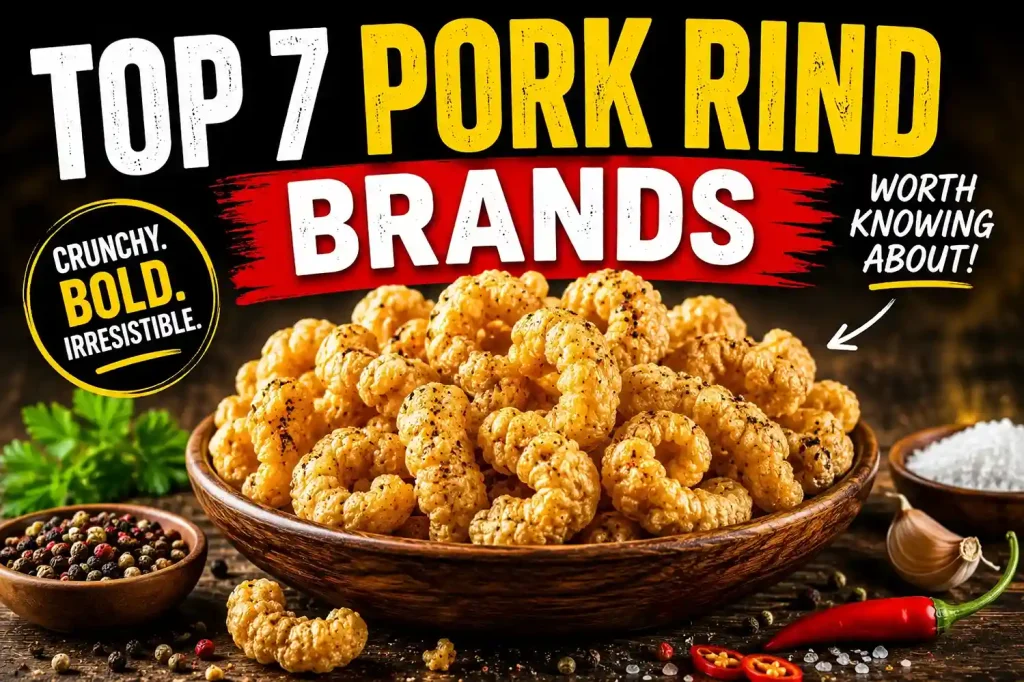
Pork rinds have moved past gas station snack territory. They show up in keto pantries, charcuterie boards, restaurant kitchens, and breading recipes more often than they used to. Some of that comes down to renewed interest in low-carb eating. Some of it is just that pork rinds, done well, taste really good. Crunchy, salty, with that distinct toasted-pork flavor you don’t get from chips.
The market has changed alongside that shift. There are now small-batch makers, premium lines from established producers, and specialty brands built around flavor experimentation. The seven brands below cover most of what’s worth knowing.
1. Pork Rinds
Pork Rinds is one of the more direct online destinations for shoppers interested in the category. The site is set up around making it easy to browse and order without hunting through grocery aisles or settling for whatever the gas station happens to stock that week.
Key features:
- A range of styles, from classic salted rinds to bolder seasoned varieties
- Online ordering and shipping for shoppers outside typical retail areas
- Product details laid out clearly enough to compare options side by side
For anyone testing different flavors of pork rinds without leaving the house, it’s a sensible starting point.
2. Southern Recipe
Southern Recipe is one of the longer-running nationally distributed pork rind brands in the U.S., and most American shoppers have probably encountered the bag at some point. It lives squarely in the everyday-snack category, not the premium one.
Key features:
- Traditional and seasoned options in standard grocery aisle flavors
- Wide availability across supermarkets, convenience stores, and big-box retailers
- Multiple bag sizes for everything from a single-serving snack to a party bowl
For shoppers who want a familiar bag they can grab on a regular grocery run, this is a steady pick.
3. Field Trip Snacks
Field Trip leans into the broader meat snack space rather than focusing only on pork rinds. The brand emphasizes ingredient transparency and recognizable sourcing, which puts it in a slightly different lane from the more traditional names on this list.
Key features:
- A clean-ingredient approach with labels that are easy to actually read
- A selection that spans jerky and other protein-driven snacks
- Packaging built for portability, road trips, and gym-bag stashes
If you’re looking at pork-based snacks as part of a wider protein-snack rotation, Field Trip’s lineup is worth a closer look.
4. Southern Recipe Small Batch
Small Batch is the premium sibling to Southern Recipe, and it leans into flavors that move beyond the usual barbecue-and-salt approach. Think sea salt and cracked pepper, korean kimchi barbecue, or honey mustard. Packaging is more polished, portions are smaller, and the whole thing reads as snack-aisle food made with a slightly more curious palate in mind.
Key features:
- Small-run flavor experimentation alongside core offerings
- Branding aimed at shoppers who pay attention to design and ingredients
- Distribution through both grocery shelves and online retailers
For anyone who already knows they like pork rinds and wants something less predictable, Small Batch is the natural next stop.
5. Pepe’s Snacks
Pepe’s keeps its focus narrow. The product range sits firmly in the pork rind category, with variations built around different cuts and seasoning approaches rather than expanding into adjacent snack types.
Key features:
- Several pork rind styles under a single brand umbrella
- Distribution through retail and direct-to-consumer channels
- Mid-range pricing that doesn’t push into premium territory
Pepe’s is a fit for shoppers who want variety without jumping across multiple labels on each grocery trip.
6. Rudolph Foods
Rudolph is one of the larger pork rind producers in the United States, and it sits behind several of the brands familiar from American grocery aisles. The scale here is industrial. The company operates more like a category infrastructure player than a single consumer-facing label.
Key features:
- A long-running operation with national distribution reach
- Multiple brand lines serving different price points and market segments
- Wholesale and retail offerings, including foodservice supply
Knowing where Rudolph sits helps make sense of how the rest of the category is structured, even if shoppers rarely buy a bag with the company’s own name on the front.
7. Pork King Good
Pork King Good built its identity around low-carb snacking. The lineup leans creative, with flavors like jalapeño cheddar, garlic parmesan, and pizza joining the more standard offerings. It’s smaller than the mass-market names but well known among keto eaters and shoppers who follow snack trends online.
Key features:
- Flavors aimed at keto, low-carb, and high-protein shoppers
- A focused, brand-driven product line rather than wide retail saturation
- Direct online sales paired with selective retail availability
For anyone who prioritizes dietary fit and wants something beyond classic seasoning, Pork King Good is worth knowing about.
Comparing the Brands at a Glance
The seven options above cover different corners of the same product category. Some lean mainstream and turn up in nearly every snack aisle. Others focus on flavor experimentation, premium positioning, or specific dietary niches. A few are part of much larger companies. Others operate on a smaller, more focused scale.
What fits depends on what you’re shopping for. Convenience and familiarity point toward Southern Recipe or Rudolph’s affiliated brands. Flavor adventure points toward Small Batch or Pork King Good. Direct online access without the grocery hunt points toward Pork Rinds. A broader protein-snack selection points toward Field Trip.
Conclusion
Pork rinds aren’t a one-size-fits-all snack anymore. The brands above reflect that range, from large-scale producers stocking the mainstream aisle to smaller operations doubling down on flavor or dietary positioning. Shoppers willing to try a few bags will likely land on something that suits their taste better than whatever happens to be at eye level in the nearest convenience store.
Frequently Asked Questions
What are pork rinds made of?
Pork rinds are made from pork skin that’s been rendered and fried or roasted until it puffs and turns crisp. The result is a light, crunchy snack with a mild pork flavor and a satisfying crackle when you bite into it.
Are pork rinds keto-friendly?
Pork rinds are typically very low in carbohydrates and high in protein, which is why they show up so often in keto and low-carb pantries. Flavored varieties can sometimes contain added carbs from seasonings or coatings, so checking the label is worth the extra few seconds.Healthline’s breakdown of pork rind nutrition covers the macro profile and sodium considerations in more detail for anyone wanting the full nutritional picture.
What’s the difference between pork rinds and chicharrones?
Chicharrones is a broader term used across Spanish-speaking cuisines. It sometimes refers to fried pork belly with meat still attached and sometimes to pork rinds in the form Americans know them. The two overlap but aren’t always interchangeable.
How long do pork rinds stay fresh?
Unopened pork rinds typically last several months in sealed packaging. Once opened, they’re best within a week or two before they start losing their crunch, especially in humid kitchens.
Can pork rinds be used in cooking?
Yes. Crushed pork rinds work as a low-carb breading substitute for chicken, fish, and vegetables, and they make a crunchy topping for salads, casseroles, and similar dishes where you’d normally reach for croutons.