
The technology powering trading brokers and multi-asset trading in 2026
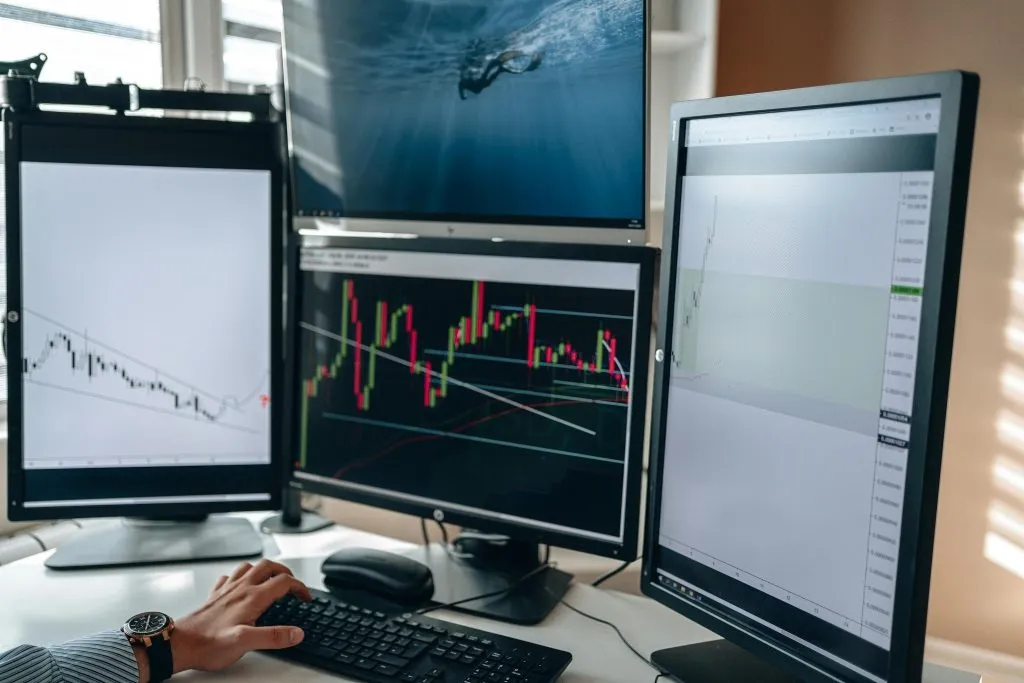
Every time you make a trade on a screen, there’s a whole stack of technology working overtime behind the scenes. Trading brokers and multi-asset platforms rely on lightning-fast infrastructure, smart order routing and live data networks, so global markets feel instant and right at your fingertips.
You open a trading app, buy a bit of stock, maybe snag some crypto or forex and it all happens in a few seconds. It feels easy. Almost too easy, right? But beneath that slick interface, there’s a complicated web of servers, APIs, liquidity providers and execution engines, all orchestrated in real time.
That’s what lets modern trading brokers work. More than that, it’s what enables multi-asset trading, giving anyone access to everything from forex and indices to commodities, ETFs and crypto derivatives, all in one place.
What exactly is a trading broker?
A trading broker is your bridge to the financial markets. When you submit a trade, you’re not interacting directly with the NYSE or CME. Your broker sends your order through liquidity providers, market makers or exchanges, depending on what you’re trading. Today’s brokers are built on tech, not just relationships. They’re platforms powered by:
- Order management systems (OMS).
- Execution management systems (EMS).
- Liquidity aggregation engines.
- Risk management algorithms.
- Real-time pricing feeds.
Think of them like traffic controllers guiding money flows around the world. Without these guys, retail and institutional traders wouldn’t be able to access markets efficiently or safely.
Platforms are becoming ecosystems, not just tools
A big shift lately is brokers moving past pure execution, they’re becoming ecosystems. Some platforms mix trading tools with analytics, education and automation, all in one place.
For example, BitDelta pro offers a multi-asset environment with pro-level tools and access to 5,000+ instruments: Forex, indices, commodities, shares, ETFs, crypto ETFs, futures and options.
What stands out isn’t just the asset selection, it’s the focus on transparency and trust. Both retail and institutional traders rely on steady pricing, reliable order routing and clear reporting. That only happens thanks to solid backend architecture, from liquidity aggregation to real-time risk systems.
Multi-asset trading explained in simple terms
Multi-asset trading lets you trade all sorts of financial instruments from a single platform. No more hopping between separate accounts for stocks, crypto and commodities, it’s all pulled together. A typical multi-asset platform gives you access to:
- Forex pairs like EUR/USD or GBP/JPY.
- Stock indices such as S&P 500 or DAX.
- Commodities like gold, oil and silver.
- Shares from companies around the globe.
- ETFs and crypto ETFs.
- Futures and options contracts.
- Cryptocurrencies and derivatives.
And the real magic isn’t just convenience, it’s strategy. Traders can hedge risks across asset classes, react quickly to big economic shifts and diversify without jumping platforms.
The tech stack behind modern trading brokers
Now, let’s dig into the tech side.
Low-latency execution systems
Here, speed counts. In trading, even a 100-millisecond delay can mess with your price. Brokers drop serious cash on low-latency infrastructure, using colocated servers near exchange data centers.
These systems run on super-fast languages like C++ and Rust, with networking stacks tailored for maximum speed.
Liquidity aggregation engines
No broker has unlimited liquidity. Instead, they tap multiple providers and merge prices into one big order book. The engine keeps an eye on:
- Bid and ask prices from each provider.
- Execution speed.
- Slippage risk.
- Depth of liquidity.
And it sends your order to wherever the numbers are best, automatically. This tech is what smooths out multi-asset trading and keeps it from turning into a messy juggling act.
API-driven trading ecosystems
Modern brokers offer APIs so trading platforms, bots and institutional investors can connect directly. This is huge for algorithmic trading. Hedge funds and fintechs tap into the broker’s tech, building out:
- Automated strategies.
- Portfolio management tools.
- Real-time analytics dashboards.
- Risk monitoring solutions.
Most of today’s trading innovations come through APIs, not manual apps.
Real-time risk management systems
Every trade carries risk, and brokers have to handle it immediately. Risk systems constantly check:
- Margin requirements.
- Exposure per asset class.
- Leverage limits.
- Portfolio drawdown.
- Liquidity stress tests.
If things look shaky, the system can adjust margin or limit exposure, keeping losses from snowballing.
The role of cloud computing and scalability
Cloud tech has flipped the broker game upside down. Instead of locking into fixed data centers, brokers now scale up and down via cloud providers.
So you get faster updates, global redundancy for uptime, scaling during market spikes and lower latency thanks to distributed nodes.
Trading is now a tech industry problem first
At the core, trading isn’t just about markets anymore. It’s about the systems. Brokers have gone from middlemen to high-speed, high-performance tech layers connecting traders to global liquidity, live and in real time.
And as platforms keep growing, the gap between fintech and pure software engineering is barely there now. The future of trading is technical.
- Requirements
- Analytics
- Share