

Common Household Items Dangerous for Dogs: A 2026 Safety Guide for Dog Parents
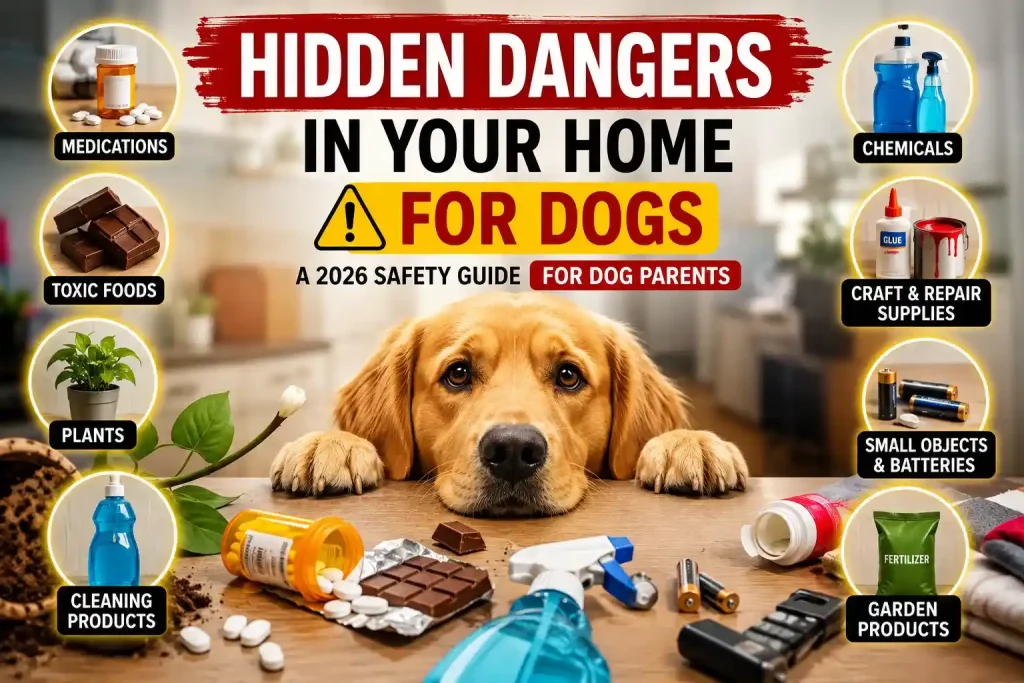
Dogs explore the world with their noses and mouths, which makes a typical home full of hidden risks. Many items dog parents use every day, from cleaning sprays stored under the sink to a half-finished cup of coffee on the counter, can cause serious harm when ingested by a curious pup.
The American Society for the Prevention of Cruelty to Animals reports that its Animal Poison Control Center responded to more than 450,000 calls related to toxic substance exposures in 2024, according to ASPCA reporting. Over-the-counter medications, food items like chocolate and xylitol, and household toxicants regularly appear in the top categories year after year.
Recognizing the common household items dangerous for dogs is the first step toward preventing emergencies. This guide breaks down the categories most often involved in poisoning cases, the warning signs to watch for, and the steps to take when something goes wrong.
Quick Safety Snapshot
Top categories of household dangers for dogs:
- Human medications (OTC and prescription)
- Toxic foods (chocolate, xylitol, grapes, onions)
- Indoor and outdoor plants
- Cleaning products and chemicals
- Craft and home repair supplies (resin, glue, paint)
- Small objects and batteries
- Garden and lawn products
The two best protections:
- Secure storage out of paws’ reach
- A vet’s number and a poison hotline saved in your phone
1. Human Medications
Over-the-counter medications have topped the ASPCA’s annual list of pet toxins for several years in a row. Common culprits include:
- NSAIDs like ibuprofen and naproxen, which can damage a dog’s kidneys and stomach lining
- Acetaminophen, which can cause liver damage
- Cold and flu remedies, which often contain ingredients harmful to dogs
- Vitamins and supplements, especially those high in iron or vitamin D
- ADHD medications and antidepressants, which can trigger seizures and heart issues
Safety step: Store all medications in sealed containers behind closed cabinets, never on nightstands or counters where a dog can reach.
2. Toxic Foods Hiding in the Kitchen
Some of the most dangerous items for dogs lie in plain sight on counters and in pantries.
| Food | Risk Level | What to Watch For |
| Chocolate (especially dark) | High | Vomiting, hyperactivity, seizures |
| Xylitol (gum, peanut butter, baked goods) | Severe | Sudden weakness, vomiting, seizures |
| Grapes and raisins | High | Vomiting, decreased urination |
| Onion, garlic, leeks, chives | Moderate to high | Weakness, pale gums |
| Macadamia nuts | Moderate | Tremors, weakness, vomiting |
| Alcohol and caffeine | High | Disorientation, rapid heart rate |
| Raw bread dough | Moderate | Bloating, abdominal pain |
A small amount of xylitol can drop a dog’s blood sugar to dangerous levels within minutes. Chocolate may cause vomiting, increased heart rate, tremors, or seizures depending on the type and amount eaten.
3. Indoor and Outdoor Plants
Bouquets and houseplants account for thousands of pet poisoning calls each year. Some of the more common offenders include the following:
- Lilies are especially harmful to cats but also a concern around dogs
- Sago palm, which can cause severe liver damage even with limited exposure
- Azaleas and rhododendrons, which affect the heart
- Tulips and hyacinths, especially the bulbs
- Oleander and dieffenbachia
Before bringing a new plant home, dog parents can check the ASPCA’s toxic and non-toxic plant database. Outdoor gardens also benefit from fencing or barriers in areas with toxic varieties.
4. Cleaning Products and Chemicals
Most cleaning supplies are safe when used as directed, but ingestion or skin contact with concentrated products can cause serious harm.
Items to keep secured:
- Bleach and ammonia
- Drain cleaners
- Toilet bowl cleaners
- Laundry pods (which are especially attractive to dogs)
- Dishwasher detergent
- Antifreeze, which can be highly toxic even in small amounts
A 2024 review from the American Animal Hospital Association notes that cleaning, beauty, and home repair products consistently rank among the top pet poison categories.
5. Craft and Home Repair Supplies
This category often catches dog parents off guard. Hobby supplies, paints, and adhesives can sit on a low table or shelf and look just interesting enough for a curious dog to investigate.
Common craft and repair hazards:
- Epoxy resin and hardeners (uncured resin can cause stomach upset and chemical irritation)
- Wood glue, especially polyurethane types that expand inside the stomach
- Lead-based or older paints
- Stains, varnishes, and finishes
- Spackle and caulk
- Super glue and rubber cement
For dog parents who craft at home, keeping projects in a dedicated workspace and storing supplies in sealed containers reduces accidental access. After a craft session, sweeping the floor and wiping the table catches any small drips or shavings before a pup finds them.
6. Small Objects, Batteries, and Choking Hazards
Not every household danger is chemical. Many emergency vet visits involve dogs that swallowed something they should not have.
Common offenders:
- Coins and small toys
- Buttons and hair ties
- Paper clips, sewing needles, and razor blades
- Button batteries (a serious risk, since they can burn through tissue)
- Cooked bones, which can splinter
- Socks and small fabric items
A weekly sweep of floors, under furniture, and along couch cushions catches small items before a dog finds them.
7. Garden and Lawn Products
Yard care often involves products that smell or taste appealing to dogs.
Outdoor hazards:
- Fertilizers, especially organic blends containing bone or blood meal
- Cocoa mulch (which contains the same toxic compounds as chocolate)
- Pesticides and herbicides
- Rodenticides and slug bait
- Compost piles with moldy food
Following label directions on application, storing products in sealed containers, and waiting the recommended time before allowing a dog back on treated areas all help reduce risk.
Warning Signs of Poisoning in Dogs
Symptoms vary depending on the substance, but common warning signs include:
- Vomiting or diarrhea
- Drooling more than usual
- Lethargy or weakness
- Tremors or seizures
- Loss of appetite
- Difficulty breathing
- Pale or yellow gums
- Disorientation or stumbling
- Sudden changes in behavior
Some toxins act within minutes. Others take hours or even days to show symptoms, which is why prompt action matters even when a dog seems fine right after exposure.
What to Do in a Suspected Poisoning Emergency
Quick action can make a real difference. The following steps help dog parents respond calmly.
- Remove the dog from the source. Move the pup to a safe area away from the substance.
- Identify what was ingested. Save the packaging, the label, or a sample if possible.
- Call a vet or a poison hotline. The ASPCA Animal Poison Control Center is reachable at (888) 426-4435. A consultation fee may apply.
- Do not induce vomiting unless directed. Some substances cause more damage coming back up.
- Follow professional guidance. Bring the dog and the product packaging to the clinic.
Keeping these numbers saved in a phone and posted on the refrigerator makes them easy to find during a stressful moment.
How Dog Parents Can Prevent Accidents at Home
A few simple habits go a long way.
- Pet-proof storage: Use child locks on lower cabinets and store hazardous items on high shelves.
- Counter management: Clear medications, foods, and craft supplies before stepping away.
- Trash control: Use bins with secure lids, especially in the kitchen and bathroom.
- Garage chemicals: Antifreeze, cleaners, and yard products belong in a locked area.
- Yard checks: Walk the yard before letting a dog out to look for chewed mushrooms, fallen plants, or trash.
- Family awareness: Household members and guests can be reminded what foods and items should not reach the floor.
When to Contact a Vet
Any time there is a possible exposure to a toxic substance, a call to a vet or poison helpline is the right move. Some signs that point to an urgent in-person visit:
- Repeated vomiting or diarrhea
- Seizures
- Trouble breathing
- Collapse
- Pale gums
- Known ingestion of a high-risk item like xylitol, chocolate, or rodenticide
Waiting too long can turn a treatable situation into a serious one.
Frequently Asked Questions
Are all household plants dangerous for dogs?
No. Many plants are safe. The ASPCA maintains a free database that distinguishes toxic from non-toxic species.
How long after exposure do poisoning symptoms appear?
It depends on the substance. Some toxins like chocolate or xylitol cause symptoms within an hour. Others, like certain mushrooms or rodenticides, can take hours or even days.
Should vomiting be induced at home?
Not without veterinary guidance. Some substances, like petroleum products or strong acids, cause more harm coming back up. A call to a vet or poison control comes first.
Is one chocolate chip dangerous for a dog?
For a large dog, one chocolate chip is unlikely to cause harm. For a small dog or with darker chocolate, the risk grows quickly. When in doubt, a quick call to a vet is the safer route.
Can dogs recover fully from poisoning?
Many do, especially with quick treatment. Some toxins cause lasting damage to organs, which is why early action matters.
Final Thoughts
A safe home for a dog is rarely a perfect home. Small daily habits, like storing medications behind a closed door, sweeping up craft supplies after a project, and double-checking what plants live in the living room, build a real layer of protection over time. With awareness and a few prevention strategies, dog parents can keep their pups out of harm’s way and enjoy more good days at home together.


