
Why High-Performing Professionals Are Redefining Travel to Prevent Burnout
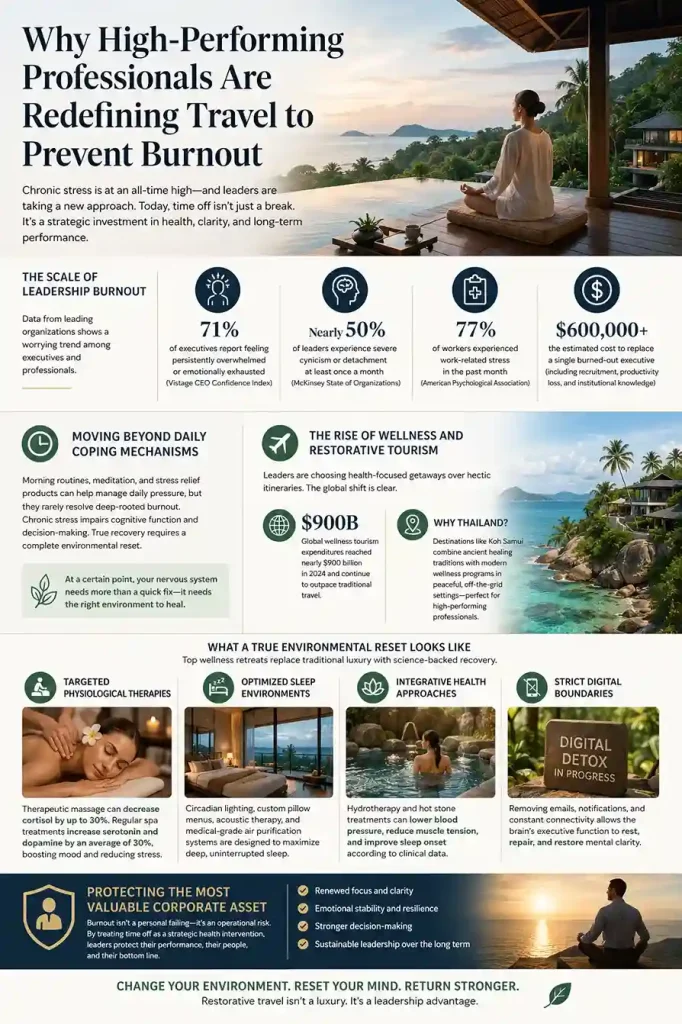
The modern corporate landscape is demanding a higher toll on leadership teams than ever before. In recent years, data from the Vistage CEO Confidence Index indicates that 71 percent of surveyed executives report feeling persistently overwhelmed or emotionally exhausted by operational demands. Furthermore, according to McKinsey’s State of Organizations report, nearly half of modern leaders experience severe cynicism or detachment at least once a month. The scale of this issue is immense. According to the American Psychological Association, 77% of workers recently experienced work-related stress, leading directly to symptoms of severe workplace burnout and emotional exhaustion. For high-performing professionals, this chronic pressure is forcing a radical shift in how they approach their limited time off, transforming the traditional vacation into an essential strategic intervention.
Moving Beyond Daily Coping Mechanisms
Many executives attempt to manage their demanding schedules by constantly optimizing their daily routines. They might adopt intense morning workouts, practice meditation, or rely on the best stress relief products to manage day-to-day feelings of overwhelm and boost their baseline resilience. While utilizing natural supplements and establishing a structured routine are incredibly helpful for navigating standard pressures, these minor adjustments are rarely enough to cure deep-rooted corporate burnout. Over time, the cumulative weight of high-stakes decision-making and continuous connectivity can overwhelm even the most meticulously planned wellness regimen.
When stress becomes chronic, it fundamentally alters a professional’s cognitive function and decision-making capabilities. A weekend at home or a quick golf trip often fails to provide the profound mental break required for true recovery. At a certain point, a complete environmental reset becomes necessary to break the cycle of physiological stress. Executives need environments that actively lower their heightened nervous system responses, rather than just providing a temporary distraction from their email inboxes.
The Rise of Wellness and Restorative Tourism
Recognizing the limitations of staying plugged in, leaders are abandoning action-packed, fast-paced vacations in favor of health-focused retreats. The global focus has shifted dramatically from sightseeing to deep physiological recovery. Global wellness tourism expenditures reached nearly $900 billion in 2024 and continue to grow significantly faster than traditional travel sectors. Professionals are actively seeking out exclusive, off-the-grid environments designed specifically to lower cortisol levels. For example, booking a restorative stay at a luxury spa in Koh Samui provides a premium setting where executives can fully disconnect from digital demands in a profound way.
Thailand has rapidly become a premier destination for this exact type of high-value wellness tourism. Its tranquil destinations seamlessly blend ancient healing traditions, such as herbal detoxes and traditional bodywork, with modern cognitive wellness programs tailored specifically for high-earning professionals. By removing the familiar triggers of the corporate environment, these destinations allow the mind to fully decompress and initiate natural healing processes that are impossible to achieve in a typical city setting.
What a True Environmental Reset Looks Like
Restorative travel goes far beyond a standard luxury vacation. High-end wellness retreats are actively replacing traditional luxury hallmarks with science-backed amenities. The sleep tourism market alone was valued at over $690 billion worldwide recently, driven by vacations explicitly designed to cure sleep deprivation rather than focus entirely on sightseeing.
When executives step away for a restorative reset, they engage in therapies that actively rebuild their energy reserves. The most effective recovery retreats typically feature the following core elements:
- Targeted physiological therapies: Extensive clinical research demonstrates that therapeutic massage can decrease cortisol, the body’s primary stress hormone, by up to 30 percent. Simultaneously, regular spa treatments increase the production of mood-stabilizing neurotransmitters like serotonin and dopamine by an average of 30 percent.
- Optimized sleep environments: Accommodations are increasingly equipped with circadian lighting, custom pillow menus, acoustic therapy, and medical-grade air purification systems designed to maximize deep, uninterrupted sleep.
- Integrative health approaches: Many premium destinations integrate hydrotherapy and hot stone treatments, which clinical data shows can successfully lower blood pressure, reduce chronic muscle tension, and dramatically improve sleep onset.
- Strict digital boundaries: True recovery requires physical and digital separation from the workplace. Removing the constant influx of emails and notifications allows the brain’s executive function to finally rest and repair.
Protecting the Most Valuable Corporate Asset
The financial impact of leadership fatigue is staggering. Replacing a single burned-out executive costs organizations an estimated $600,000 or more when factoring in recruitment expenses, lost productivity, and drained institutional knowledge. Burnout is no longer seen as a personal failing, but rather a significant operational risk that requires proactive management.
By treating time off as a strategic health intervention rather than a simple luxury, leaders are protecting their organizations and their own cognitive longevity. Taking the time to fully disconnect, change environments entirely, and engage in intensive wellness recovery ensures that professionals return to the boardroom with renewed focus, emotional stability, and the vital energy required to lead effectively in a highly demanding world.