
Smart Renovation Upgrades for Aging Brick Houses
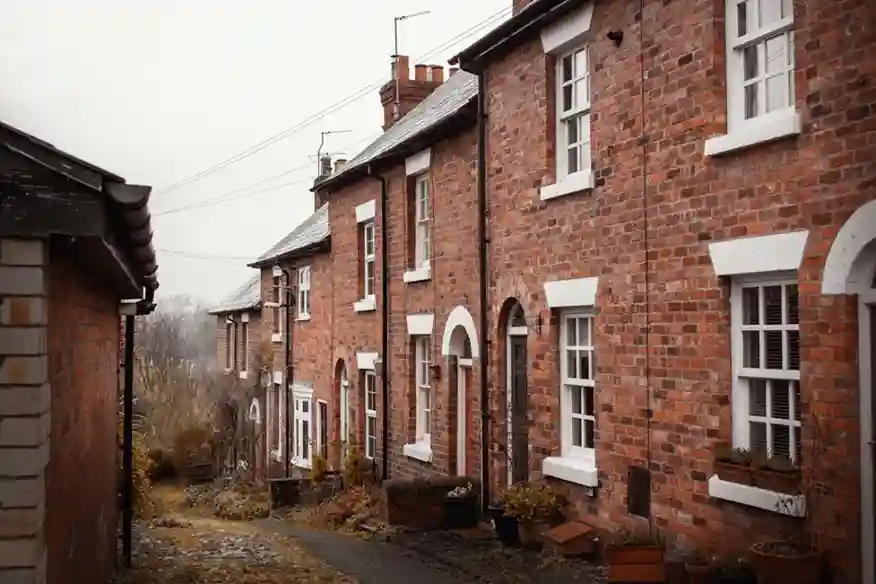
Got an older brick house that’s seen better days?
You’re not alone. Australians all over the country are spending money on renovations instead of moving homes. In 2025 alone, over $48 billion was spent on home renovations nationwide, and the number of people renovating their homes is growing each year.
Here’s the problem:
Historic brick homes can be beautiful…but they also have secrets that become larger problems with each passing season. Weather-worn brick is a leading cause of deteriorating facades, leaky exterior walls and lost home value.
The good news?
Just a couple clever improvements can turn your old brick home into a chic, weather-proof house you’ll enjoy living in for years to come.
Here’s What’s Coming Up:
- Why Old Brick Homes Need Smart Upgrades
- Spotting Weather-Damaged Brickwork Early
- 5 Smart Renovation Upgrades That Actually Work
- How To Plan The Job For The Best Results
Why Old Brick Homes Need Smart Upgrades
Many Australian brick homes were constructed in the post war baby boom. This means they are now over 50 years old.
Years of sun, rain and temperature changes takes its toll on the mortar that binds everything together. Once behind brick joints, moisture problems multiply quickly.
Here’s the thing…
Original brick dwellings were not designed to withstand contemporary climate changes. Heatwaves reach higher temperatures. Storms are more intense. And rising dampness ascends the bricks that were never meant to be sealed.
Updating your older brick home isn’t a “nice to have” renovation. It’s necessary to preserve:
- The structural integrity of the home
- The resale value
- The comfort of everyone living inside
Heritage character is also a significant component of the value in these historic homes. Intelligent renovations maintain aesthetics while modernizing performance.
Spotting Weather-Damaged Brickwork Early
Want to know if your brick home needs urgent attention?
Inspect the mortar joints on the outside. Cracked, crumbling, or missing mortar is usually the first indicator of inclement weather damaged brickwork that has become problematic. If you can dig mortar out with a key… you have got some work to do.
Other warning signs include:
- White salty residue on the bricks (efflorescence)
- Dark damp patches that don’t dry out
- Loose or bulging bricks
- Visible cracks running through brick and mortar
This is where professional brickwork rebuilding & repointing can save the day for aged homes. Old cracked mortar joints are replaced and areas of weathered brickwork are rebuilt preventing water ingress into the wall cavity and years of damage undone in a matter of days.
The majority of homeowners take way too long to fix brick damaged by weather. Don’t be that homeowner. Fixing it early can save you thousands in structural damage later.
5 Smart Renovation Upgrades That Actually Work
Ok, now on to the upgrades themselves. These are the upgrades that provide you with the most bang for your buck when it comes to older brick homes.
1. Repointing The Mortar Joints
Repointing is the most important upgrade for any older brick home.
Why? Because mortar breaks down more quickly than brick. Industry sources estimate repointing needed after 68 years for cavity walls and after 113 years for solid walls.
If your home is older than that… It needs repointing yesterday.
Repointing is the process of removing deteriorated mortar and replacing it with new mortar similar in color and properties to the original. When repointing is done correctly, it can return the wall to its original appearance, prevent moisture intrusion and extend the life of the masonry by several decades.
2. Modern Insulation Upgrades
Older brick homes were built with little or no insulation.
So they’re cold in the winter and hot in the summer. Adding insulation to the walls, ceiling and floors is one of the easiest upgrades you can do.
Better insulation means:
- Lower energy bills
- More comfortable rooms year-round
- Less moisture build-up inside the walls
Pair insulation upgrades with proper ventilation and you have a complete climate control overhaul.
3. Window & Door Replacements
Original timber windows and doors are charming but they are also drafty.
Replacing them with double-glazed units and modern weather-sealed doors will instantly upgrade your home’s:
- Energy efficiency
- Security
- Street appeal
You can even select contemporary styles that work with the brickwork’s heritage character rather than against it.
4. Damp Proofing Solutions
Rising damp is a silent killer in old brick homes.
It climbs walls from the ground and harms the brickwork, mortar, paint and plaster within the home. The long-term solution is to install a damp proof course (DPC).
Other damp proofing upgrades worth considering:
- Gutter cleaning and replacement
- Proper drainage around the foundations
- Waterproof sealants on external walls
If you don’t damp proof, all your other improvements will ultimately fail. Deal with this one first.
5. Curb Appeal Boosters
After the bones and water-proofing are complete… It’s time to beautify the house.
This is where you earn the visual appeal that equals the most resale value. Curb appeal upgrades for older brick homes can be:
- Soft brick cleaning and gentle pressure washing
- New paint or render on accent walls
- Modern entryway features and lighting
- Landscaping that frames the brickwork
Neat huh? A mix of structural and cosmetic improvements can transform an older brick house.
How To Plan The Job For The Best Results
Want to maximise the value of your renovation?
Sequence your upgrades properly. Fix all structural and weather damaged brickwork issues first. Follow that with insulation, windows, and doors. Cosmetic upgrades should be last.
By following this method you will avoid the disappointment of having put lovely interior work only to have it ruined by damp later on.
Always use qualified professionals for structural work. Bricklaying is not a DIY amateur job. One slip can ruin an entire wall and be thousands of dollars to correct.
Get at least 2-3 estimates from licensed builders before you sign anything. Cheapest is not always best especially with older brick homes.
Putting It All Together
Smart renovation upgrades can give an aging brick house another 50+ years of life.
Prioritizing the correct repairs first will turn headache-inducing weathered brick from an ugly problem into a distant memory. Reviewing once more:
- Check the mortar joints for early signs of damage
- Tackle repointing before any other work
- Upgrade insulation, windows, and damp proofing
- Finish with cosmetic upgrades for street appeal
Vintage brick houses have charm that you can’t construct today. With strategic upgrades, you can maintain that charm while updating the home to current standards. The result is a house that runs as beautifully as it looks for many years to come.


