
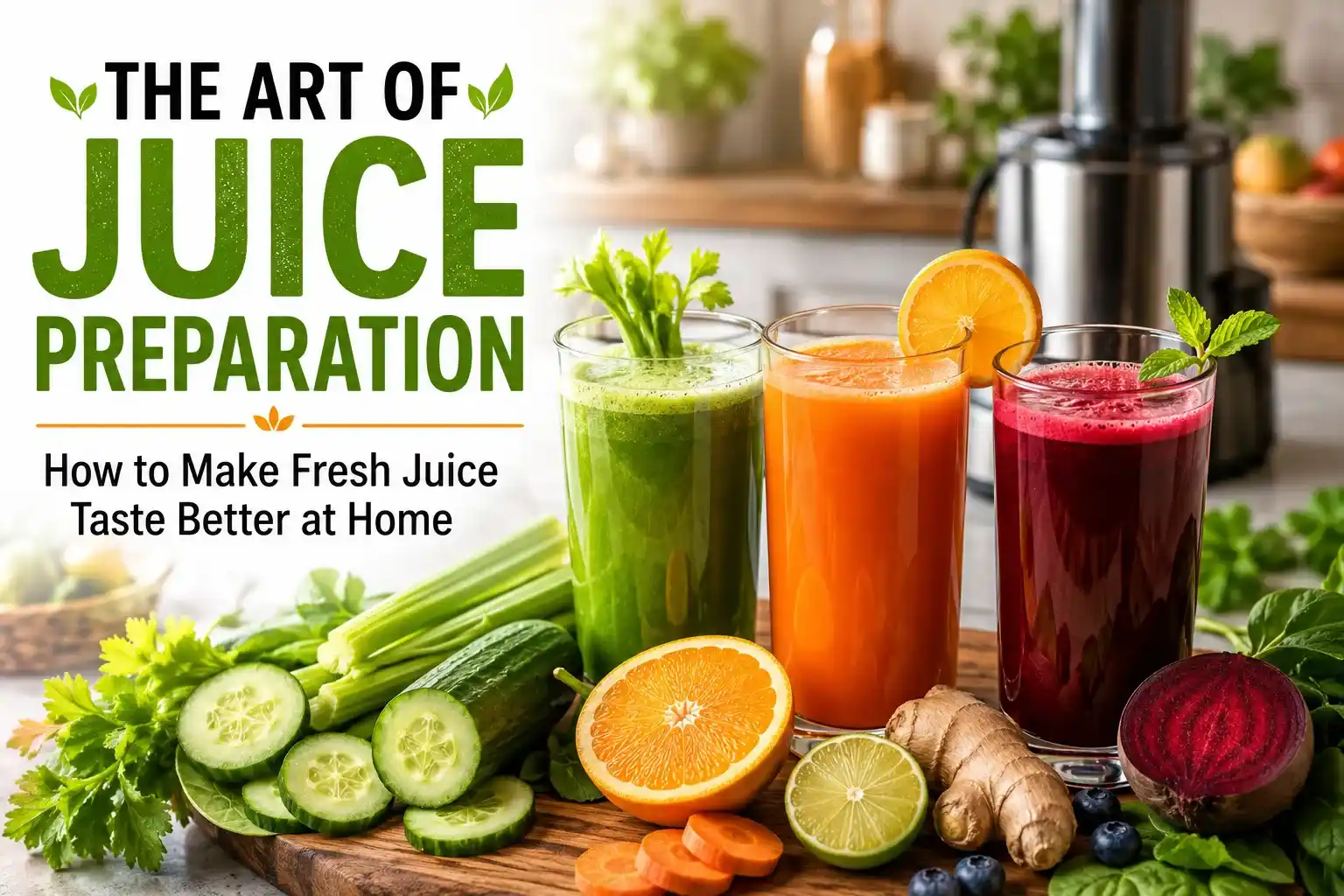
The Art of Juice Preparation: How to Make Fresh Juice Taste Better at Home

Fresh juice has a way of making healthy living feel enjoyable instead of restrictive. One glass of brightly colored juice can turn an ordinary morning into something refreshing, energizing, and surprisingly satisfying. That is one reason homemade juice preparation has become such a popular part of modern wellness routines.
But there is a noticeable difference between average homemade juice and the kind of vibrant, balanced drinks served in trendy cafés and wellness bars. Some homemade juices taste overly sweet, bitter, watery, or simply bland. Others feel rich, refreshing, and naturally flavorful without needing added sugar or artificial ingredients.
The secret is not just owning a good juicer. Great juice preparation comes from understanding ingredients, balancing flavors, and using simple techniques that elevate taste and texture.
The good news is that anyone can learn these methods at home. With the right approach, fresh juice can become one of the easiest and most enjoyable ways to support healthier eating habits.
Start with Fresh, Flavorful Ingredients
Every great juice begins with quality produce. Even the most advanced juicer cannot improve fruits or vegetables that lack freshness.
One of the easiest ways to make homemade juice taste better is to use seasonal ingredients. Produce that is naturally in season usually has better flavor, better texture, and higher juice content. Summer berries taste sweeter, autumn apples carry deeper flavor, and winter citrus often delivers the perfect balance of sweetness and acidity.
Ripeness also matters. Underripe fruit can create sour or dull-tasting juice, while overripe produce may taste fermented or overly sugary. When shopping, look for fruits and vegetables that feel firm, vibrant, and aromatic.
Balance is another important part of juice preparation. Many beginners rely too heavily on sweet fruits like apples, grapes, or pineapple. While these ingredients taste pleasant, using too much can overwhelm the drink and create excessive sugar content.
The best juices usually combine multiple flavor profiles:
- Sweet ingredients like apples, carrots, or mango
- Acidic ingredients like lemon, lime, or grapefruit
- Fresh greens like spinach, kale, or cucumber
- Aromatic additions like ginger, mint, or basil
For example, carrot juice becomes brighter with orange and ginger. Cucumber juice tastes more refreshing with mint and lime. Apple juice gains depth when paired with celery or spinach.
Small additions can dramatically improve flavor. Fresh herbs and spices help homemade juice taste more sophisticated and café-inspired without requiring complicated recipes.
Ginger adds warmth and slight spice. Turmeric brings earthy richness. Mint creates a cooling effect. Cinnamon can soften tart fruit blends. These details make juice preparation feel creative rather than repetitive.
Proper produce cleaning is equally important. Fruits and vegetables should always be rinsed thoroughly before juicing, especially leafy greens and produce with edible skins.
Simple Juice Preparation Techniques Make a Big Difference
Many people focus heavily on recipes while overlooking preparation techniques. However, the way ingredients are handled before and during juicing directly affects flavor and texture.
Temperature is one overlooked factor. Chilled fruits and vegetables often produce more refreshing juice compared to room-temperature produce. Refrigerated cucumbers, citrus fruits, and melons create naturally crisp drinks without needing excessive ice.
Preparing ingredients correctly also matters. Tough peels, bitter rinds, and large seeds can negatively affect flavor. While many fruits and vegetables can be juiced whole, some ingredients benefit from minor preparation.
For example:
- Remove thick citrus peels to reduce bitterness
- Trim beet greens if they taste too earthy
- Core large apples if seeds are excessive
- Peel ginger lightly for smoother flavor
Ingredient order can also influence juice quality. Softer fruits like berries or pineapple often process better when alternated with firmer produce such as carrots or celery. This helps improve extraction and consistency.
One common mistake in homemade juice preparation is poor flavor balance. Some juices become too thick from excessive banana or mango. Others become watery from too much cucumber or watermelon.
A balanced juice usually combines:
- One main sweet ingredient
- One hydrating ingredient
- One acidic ingredient
- One flavor-enhancing herb or spice
This creates complexity without overwhelming the palate.
Fresh juice is also best consumed shortly after preparation. Over time, exposure to air causes oxidation, which can affect taste, color, and freshness. Drinking juice soon after making it helps preserve both flavor and nutritional quality.
Presentation can enhance the experience as well. A simple garnish of mint, citrus slices, or berries can make homemade juice feel more inviting. Glassware also influences perception more than many people realize. A beautifully served drink often feels more enjoyable and satisfying.
Choosing the Right Equipment for Better Homemade Juice
Juice quality is strongly influenced by the type of equipment used. Different juicers produce different textures, flavors, and nutrient retention levels.
Centrifugal juicers are popular because they work quickly. These machines use fast-spinning blades to extract juice and are convenient for busy mornings. They are often affordable and beginner-friendly.
However, centrifugal systems may create more heat and oxidation during processing, which can slightly affect flavor and freshness.
Masticating slow juicers have become increasingly popular among health-conscious households. These machines crush and press ingredients more slowly, helping preserve texture, color, and taste. Many people prefer slow juicers because they often produce smoother juice with less foam.
For those looking for a more user-friendly option, models such as the Hurom H70 Easy Clean Slow Juicer have gained attention for combining slow-juicing performance with simplified cleanup features. Convenience can make a major difference for people trying to maintain healthy habits consistently.
Citrus juicers are another useful option, especially for people who regularly enjoy orange, lemon, or grapefruit juice. Even simple manual citrus juicers can dramatically improve freshness compared to bottled alternatives.
When choosing a juicer, convenience matters just as much as performance. A machine that is difficult to clean may end up unused over time.
Helpful features include:
- Easy-to-remove parts
- Dishwasher-safe components
- Wide feeding chutes
- Quiet operation
- Durable motors
Many beginners assume expensive equipment is necessary for quality juice preparation, but that is not always true. Even budget-friendly juicers can produce excellent results when paired with fresh ingredients and proper techniques.
The most important factor is consistency. A simple juicer used regularly provides far more value than expensive equipment collecting dust in a cabinet.
Turning Juice Preparation into a Healthy Lifestyle Habit
Homemade juice becomes more rewarding when it evolves from an occasional activity into part of a balanced lifestyle routine.
Seasonal experimentation keeps juice preparation exciting throughout the year. Summer may inspire tropical combinations with pineapple and watermelon. Autumn works well for apple, pear, and cinnamon blends. Winter citrus juices can feel bright and energizing during colder months.
Juice can also complement meals in creative ways. Green juices pair naturally with light breakfasts, while citrus-based blends work well during brunch. Vegetable-forward juices can even serve as refreshing afternoon alternatives to sugary snacks.
Many people find that regular juice preparation encourages healthier eating habits overall. Keeping fresh produce visible and accessible often increases fruit and vegetable consumption naturally.
Juicing can also become a social activity. Family juice nights, brunch gatherings, or small homemade juice bars make healthy choices feel enjoyable rather than restrictive.
Another benefit of homemade juice preparation is reduced dependence on processed beverages. Many store-bought drinks contain added sugars, preservatives, and artificial flavoring. Making juice at home provides greater control over ingredients and portion sizes.
Sustainability is another growing consideration. Leftover pulp from juicing can often be reused in creative ways:
- Carrot pulp in muffins or soups
- Apple pulp in oatmeal or baking
- Vegetable pulp in broth or sauces
Composting leftover pulp is another environmentally friendly option.
These small habits help reduce kitchen waste while maximizing the value of fresh ingredients.
Conclusion
The art of juice preparation goes far beyond simply placing fruits and vegetables into a machine. Great homemade juice comes from thoughtful ingredient selection, balanced flavors, proper techniques, and consistent creativity.
Fresh seasonal produce, simple preparation methods, and the right equipment can transform ordinary juice into something vibrant, refreshing, and deeply satisfying. More importantly, homemade juice can support healthier food habits without feeling complicated or restrictive.
Whether you enjoy green juices, citrus blends, or colorful fruit combinations, learning how to improve juice preparation at home creates endless opportunities for wellness and creativity.
Sometimes the simplest healthy habits become the most sustainable ones. A fresh glass of homemade juice may be one of them.