
The Unspoken Rules of Home Readiness That Bring Real Peace of Mind
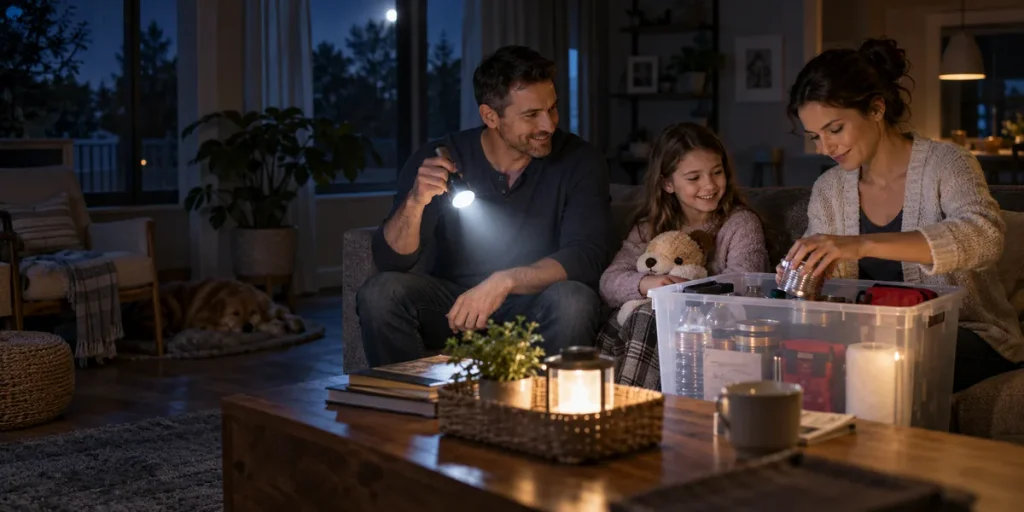
The power goes out at 10:36 p.m. The air conditioner dies, the Wi-Fi vanishes, and someone announces they have 4 percent battery left. Then comes the big question: where’s the flashlight?
Three drawers later, you’ve found a takeout menu, two rubber bands, and a screwdriver. Progress, technically.
It’s funny until it isn’t. A minor household disruption can become stressful surprisingly quickly when nobody knows where essential supplies are or what to do next. Fortunately, getting your home ready for life’s little curveballs doesn’t require a bunker, a huge budget, or a new personality. A few dependable habits will do the job.
Rule One: Give the Important Stuff a Permanent Address
A flashlight should not be harder to locate than your car keys. Choose predictable places for essential supplies, keep basic tools together, and make sure household members know where first-aid items live. Learn where the main water shutoff and electrical panel are, too. These aren’t fascinating dinner-party topics, but they become rather interesting when something starts leaking. Then check that everything works.
Replace dead batteries, inspect emergency equipment according to its instructions, and replenish used supplies. A flashlight without power is basically a decorative tube. Nobody needs more of those.
The goal isn’t a showroom-worthy organization. It’s being able to find what you need without launching a household search operation.
Rule Two: Stop Making One Person the Family Encyclopedia
Every household has someone who knows where the spare keys are, which cupboard contains the medicine, and how to reset the temperamental appliance. Useful? Absolutely. Sustainable as the only person who knows anything? Not so much.
Make sure other household members understand the basics. Show them where supplies are kept, explain how to contact emergency services, and discuss what to do if everyone needs to leave the house quickly. Where appropriate, identify a meeting place and account for children, older adults, or anyone who may need additional assistance.
Nobody needs a two-hour family seminar. A few clear conversations can prevent a great deal of confusion.
Rule Three: Less Shopping. More Checking.
Buying emergency supplies feels productive. Testing them is less exciting, which probably explains why people sometimes skip it.
Before ordering another gadget, take stock of what you already own. Do you have drinking water, shelf-stable food, working lights, spare batteries, and essential medications? Are supplies appropriate for your household and local risks? Can everyone find them?
Keep food and other supplies within their recommended storage conditions, rotate items as appropriate, and replace anything damaged or unusable. A cupboard full of neglected equipment isn’t preparedness. It’s clutter with excellent intentions.
Rule Four: Make Safety Boring, and Consistent
The most useful household safety habits rarely look dramatic. Test smoke and carbon monoxide alarms according to manufacturer’s guidance, keep exits clear, address electrical problems promptly, and secure medications and cleaning products away from children and pets.
For adults who lawfully own firearms, responsible home readiness includes preventing unauthorized access through secure storage, maintaining appropriate training, and following applicable laws. Anyone researching rimfire ammo should consider their lawful needs and the requirements for safe storage and handling. Ammunition should be kept in suitable conditions, protected from excessive heat and moisture, and secured against unauthorized access.
It’s not glamorous. Neither is replacing a smoke alarm battery. Both are considerably better than wishing you’d done it earlier.
Rule Five: Build a Routine You’ll Actually Maintain
A home-readiness plan that demands an entire Sunday every month probably won’t survive contact with real life. People get busy. Things get postponed. That mysterious drawer gets messier.
Keep reviews manageable. Check essential supplies periodically, update emergency contacts when circumstances change, and revisit household arrangements after a move, renovation, or major change in family needs.
Start with the biggest gaps. Improve the rest over time. Peace of mind doesn’t come from predicting every possible emergency. It comes from knowing the essentials are covered, everyone understands the basics, and there’s a sensible plan when ordinary life takes an unexpected turn.
A ready home doesn’t have to be perfect. It just needs to work when it matters, and preferably reveal the flashlight before you’ve reached drawer number four.