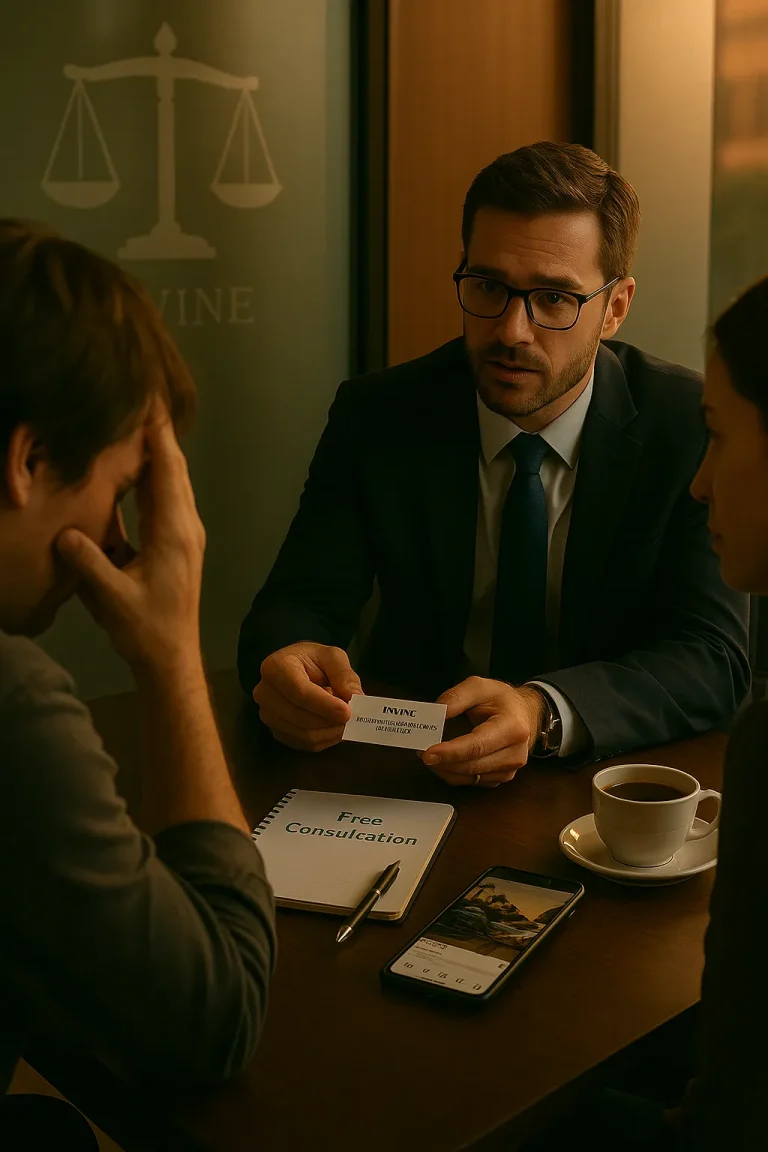

What Are Misdemeanor Penalties?

The U.S. misdemeanor system is a major yet often overlooked driver of overcriminalization and mass incarceration. Each year, about 13 million misdemeanor charges pull Americans into the criminal justice system, according to Prison Policy Initiative.
Misdemeanors are criminal offenses that are less serious than felonies. Still, they have significant legal and personal ramifications. Penalties for offenders may include up to 180 days in jail for a first or second offense. According to Kent drug crime lawyer Andrea Kim, your sentence can increase with the number of offenses on your record.
Though convictions for misdemeanors are less serious, they still create obstacles for the convicted person in different aspects of their life and future. Here’s why.
How Misdemeanors Are Defined and Classified
A misdemeanor constitutes a criminal offense that exists between the severity of a felony and the severity of an infraction. The federal legal system, together with numerous state legal systems, defines federal laws and state laws through their respective maximum prison terms, which determine the classification of offenses.
Some states define misdemeanors differently because they establish penalties, which they measure through specific offenses instead of using a tiered classification system.
All states and the federal system divide misdemeanors into different severity classes. The federal law under 18 U.S.C. § 3559 establishes three classes that define maximum jail terms according to these rules:
• Class A misdemeanor: six months to one year
• Class B misdemeanor: 30 days to six months
• Class C misdemeanor: five to 30 days.
State classification systems show wide variation among different states. Some states use the same A/B/C tier structure with different sentencing ranges.
Other states use different terms to describe offenses that include “gross misdemeanor” and “aggravated misdemeanor” and “petty misdemeanor.” A small number of states do not classify misdemeanors at all and instead set penalties for offenses offense by offense in the relevant statute.
Direct Penalties: Fines, Jail, and Probation
The penalties a court can impose for a misdemeanor conviction fall into several categories that often overlap.
Fines
The Alternative Fines Act permits fines that reach up to $100,000 for specific criminal offenses that federal law classifies as misdemeanors. Federal law establishes a maximum fine of $5,000 for Class B and C misdemeanor offenses. The fine structures used by states demonstrate extensive differences because multiple states impose fines for misdemeanors, which range from hundreds of dollars to thousands of dollars, while some states require minimum fine amounts.
Jail time
Misdemeanor jail sentences are served locally, not in a state prison. The judges who give jail sentences need to select between work release, weekend confinement, and electronic monitoring as their available options. A conviction can lead to imprisonment because certain misdemeanor offenses, which include repeat DUI violations, require states to impose minimum jail sentences.
Probation and supervision
Probation exists as a common punishment that judges use to replace or extend jail sentences for misdemeanor offenses.
Federal law authorizes courts to place misdemeanants on probation for a maximum period of five years. The defendant must comply with all conditions imposed by the court. This includes regular reporting to officials, taking drug tests, and completing treatment or counseling programs. During this period, there are also locations they are prohibited from going to.
According to https://www.musiccitydefender.com/, a lawyer can greatly help you build a strong defense strategy in this circumstance. They will guide you through these challenges and work toward the best possible outcome for your case.
What Judges Consider at Sentencing
Judges follow their methods to impose misdemeanor punishments. They evaluate multiple elements when deciding which portion of the punishment range to select.
Criminal history is also an important factor that judges consider. For first-time offenders, they have access to several options. They may be deferred to adjudication and diversion and suspended sentences. But these are not available for individuals with prior convictions.
Repeat offenders will face higher sentencing limits. In some states, those with previous offenses will be charged with a felony.
To be fair, the court assesses both the nature of the offense and its surrounding circumstances. Assault cases, for one, are taken more seriously. It happens when a weapon is used against a defenseless victim, resulting in severe harm. The defendant will face a different legal treatment than a first-time disorderly conduct case that has no previous record.
Defendants face unexpected impacts from the jurisdiction that determines cases. Prosecutors decide which charges to file, while local courts establish plea agreement practices, and judges determine case outcomes, which results in case outcomes that fall between the maximum and minimum legal boundaries.
The Collateral Consequences Most People Do Not See Coming
A conviction has collateral consequences that exist apart from the court’s sentence. For one, offenders may have to pay fines and serve jail time.
The National Inventory of Collateral Consequences of Conviction (NICCC) catalogs thousands of these restrictions across all 50 states. The categories most commonly affecting misdemeanor defendants include:
Employment
Employers have the right to inquire about criminal records, which they need to handle according to applicable federal and state and local laws that include ban-the-box legislation and the EEOC rules on criminal record usage for hiring purposes. The Vera Institute of Justice presents research that shows that a misdemeanor conviction causes an approximate 16 percent decrease in annual income for affected individuals.
Certain fields, including healthcare, education, finance, and government employment, involve licensing processes where a misdemeanor conviction may disqualify an applicant or trigger an administrative review.
Housing
Certain criminal convictions can affect federally assisted housing eligibility, with federal rules being stricter for specific offense categories. Public housing authorities possess discretion to deny applicants without facing any mandatory requirement. Private landlords may also consider criminal history when making rental decisions, subject to fair housing limits that restrict categorical denials in some jurisdictions. The law enforces these restrictions without considering the date of the conviction or the severity of the original offense.
Professional licensing
Occupational licenses, which permit contractors and nurses and real estate agents and security workers to operate their professions, require applicants to undergo a character and fitness assessment. Most states allow individuals with misdemeanor convictions to obtain licenses, but states require license reviews, which may lead to license denial or suspension or the imposition of conditions.
Immigration
For non-citizens, a misdemeanor has a great impact on their immigration status. They may face deportation, inadmissibility, or loss of specific immigration relief options. They are subject to these consequences depending on which misdemeanor offense they committed.
According to the U.S. Supreme Court established in Padilla v. Kentucky, criminal defense attorneys must inform their non-citizen clients about the immigration consequences that result from pleading guilty.
Alternatives to Conviction: Diversion and Expungement
The judicial system provides several options to resolve misdemeanor charges so they won’t leave a permanent mark on your record. For first-time or low-level offenses, there are diverse programs you can access so that charges can be dropped. But first, you must complete specific conditions.
Successful completion leaves no conviction on the record. Existing convictions become eligible for expungement or record sealing based on three factors, which include the state of conviction and the type of offense and the duration since the conviction. The two procedures function differently because expungement permanently destroys or eliminates a record, whereas sealing enables controlled public access to the record while maintaining its protected status.
The two options create pathways to both employment opportunities and housing accessibility. Still, their actual results depend on the regulations of each state. What you need is an attorney who understands the state laws. With their help, you can understand the process and the requirements for eligibility for expungement.
A Misdemeanor Is Not Minor If You Do Not Know What It Carries
Misdemeanors have lesser severity than felonies do. According to the legal system, misdemeanors are less severe offenses compared to felonies, which result in two separate types of consequences that affect a person’s daily activities related to work, housing, professional licenses, and immigration status.
The initial decisions made during misdemeanor cases, which include selecting charges and determining diversion eligibility and conducting plea negotiations, create immediate effects that extend into future outcomes.